
Your team hasbetter work to do.
We set up AI and train your team, connect the workflows that keep work moving, and build custom tools where your software falls short.
30 minutes to discuss your first project.
See what we’ve
put to work.

Eva
Helps a legal-tech startup investigate customer activity, prepare demos, and implement and test product changes through requests in Slack.
Read the project story ↗
Misa
Helps a gaming company's employees analyze data, update reports, and create or change Jira tasks from Slack.
Read the project story ↗
Nox Infra
Connects AI agents to business tools and shared records, with review and approval steps before results reach the operator.
Read the project story ↗Choose the job.
Not the technology.
You don’t need an AI roadmap to begin. Start with the part of the work you want to change.
Automate one recurring workflow.
Stop moving the same information from place to place. Connect the systems, prepare the next step, and keep exceptions with the right person.
Put AI to work with your team.
Turn the tools you already pay for into useful daily habits, with the right setup, working context, and training for each role.
Build a missing tool.
When existing software leaves a gap, build around the actual job: a focused internal tool, integration, or custom application.
What’s taking up
too much of your day?
Scattered messages. Missing context. Another follow-up.
Choose a task. See what a little order can do.
- 01 / One starting point
A request, captured
One place for the request, its details, and its owner.
- 02 / The right context
The right policy, found
Relevant order details and an approved source, together.
- 03 / AI prepares
A helpful reply, drafted
A response with its source, ready for your team to review.
- 04 / You decide
Your team takes it forward
Check the draft, approve the next step, and keep things moving.
A few things to take
off your list.
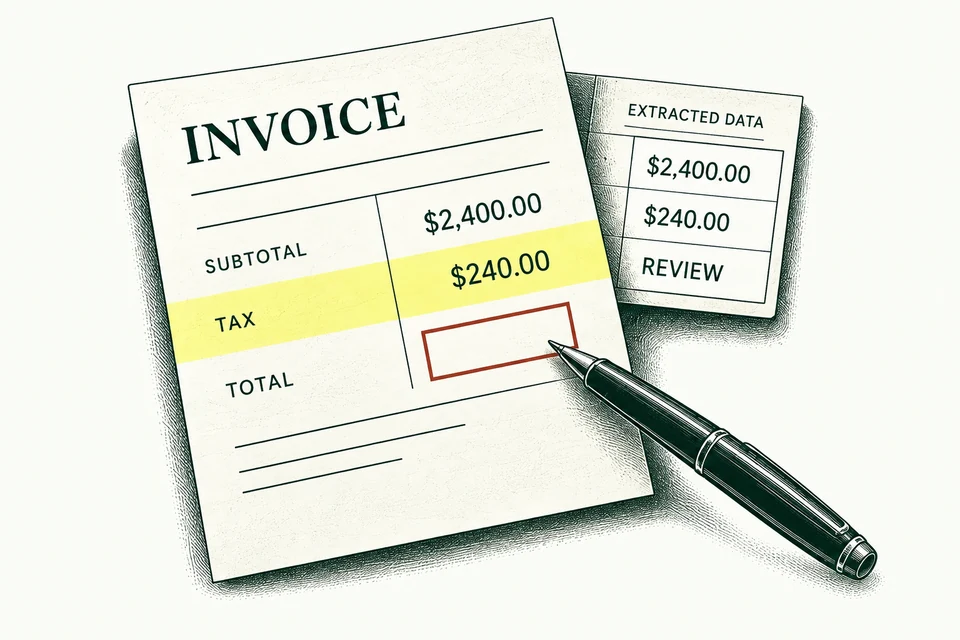
Invoice processing
Extract invoice fields, flag missing information, and prepare records for your finance team.
See the workflow ↗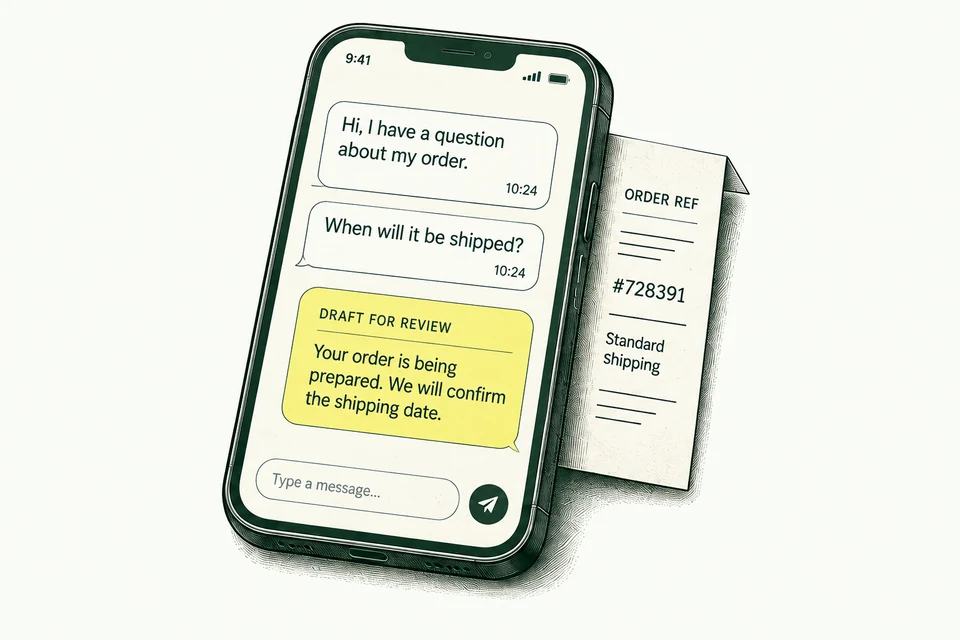
Customer support
Route requests and draft replies using your support guidance, with review before sending.
See the workflow ↗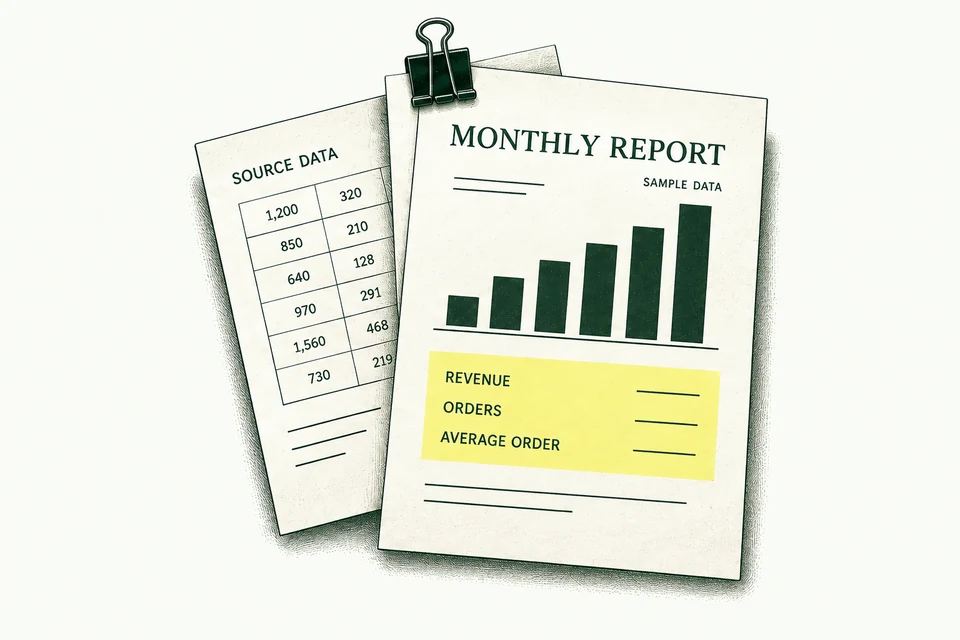
Reporting
Connect your source exports and prepare recurring reports for the person who signs them off.
See the workflow ↗We handle the build.
You know the business.
We handle
The setup or build, integrations, testing, and practical guidance for the agreed scope.
You provide
A process owner, representative examples, approved access, and feedback on what good looks like.
Together, we agree the deliverables, review points, cost, timing, and who owns the next step.
How we work together ↗A clearer scope.
Fewer unknowns.
What is a sensible first project?
One recurring job with a clear owner, representative examples, and a result you can check. We can also start with AI setup and team training. The call helps separate a useful first scope from a larger wish list.
How do you estimate the cost?
We first clarify the deliverables, systems, access, and testing involved. The estimate should separate project work from recurring costs such as software subscriptions, hosting, model usage, and any agreed support. Scope and commercial terms are agreed before work begins.
How long will it take?
Timing is agreed for the specific scope, not promised before we understand it. Integration access, the quality of your examples, and reviewer availability all affect the schedule. We identify these dependencies when planning the work.
How do we know the work is ready?
We agree acceptance checks against representative tasks, including exceptions and any steps that need human approval. Your nominated reviewer helps evaluate the result against those checks before an agreed handover.
Who owns and looks after the result?
Ownership, account access, documentation, and handover are agreed in the project terms. Third-party tools retain their own license terms. Ongoing maintenance and support need an explicit scope and owner; they are not assumed to be included.
Bring one task.
Let’s find a useful start.
Show us where work gets stuck. We’ll discuss what could change, what we’d need from you, and what belongs in a first scope.