A triage taxonomy
Categories, escalation rules, examples, and a defined “not sure” route.

Prepare categories, context, and suggested replies so support teams can focus on resolving the issue.
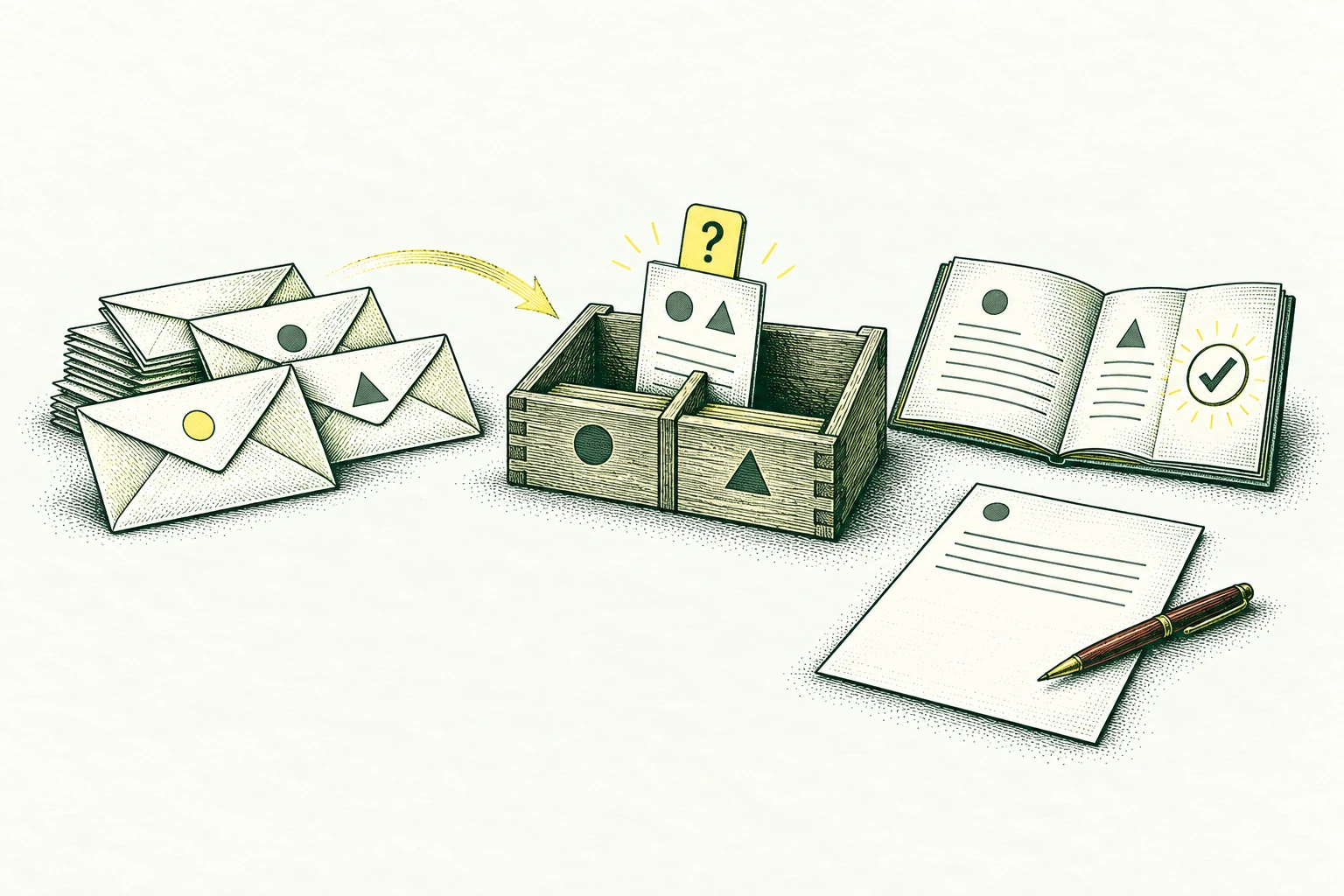
A ticket can bounce between queues because the first description is incomplete or the category is wrong. Quick classification only helps when uncertainty is visible and the receiving team has the context needed to act.
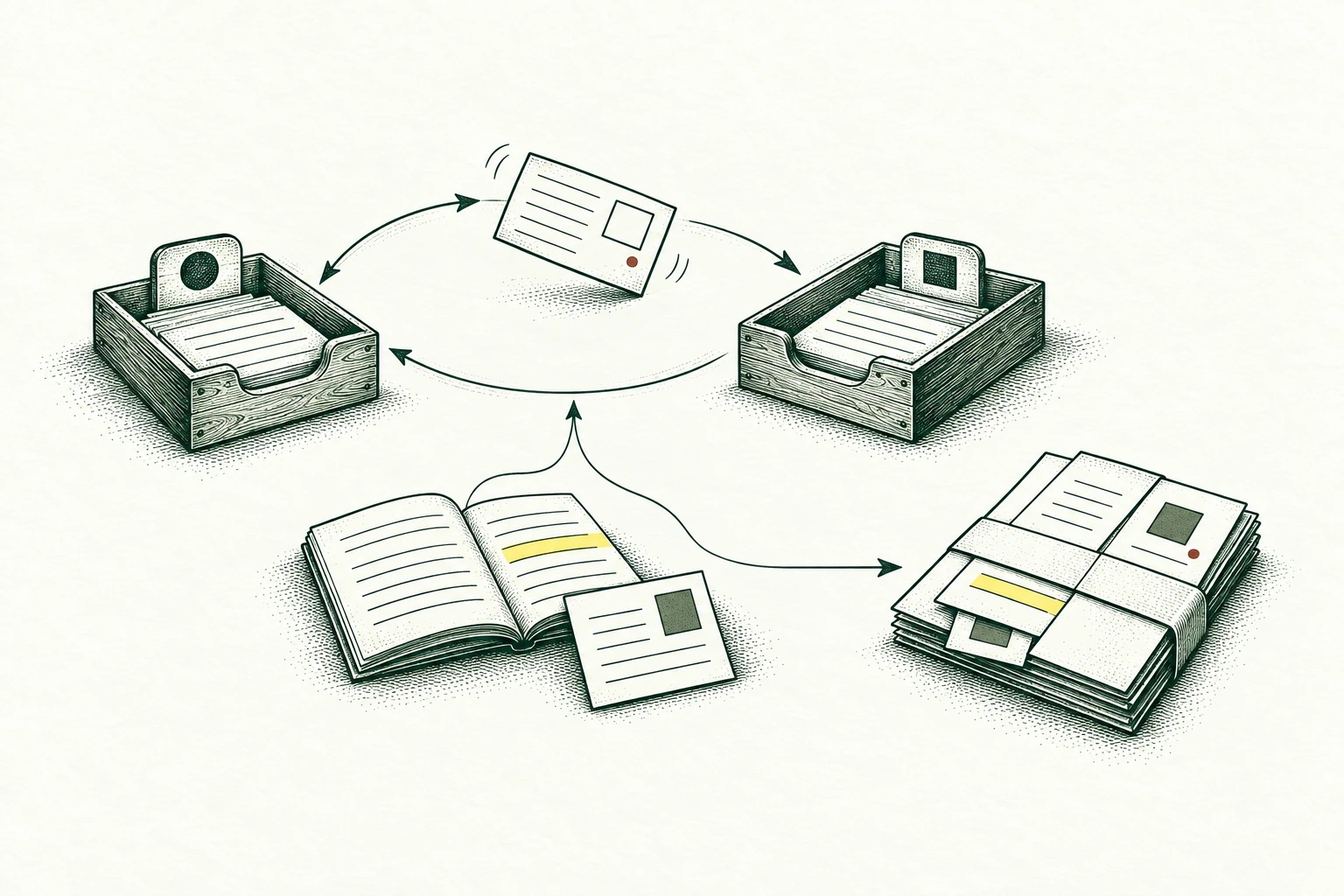
Choose a recurring ticket category and identify what information an agent normally gathers before replying.
A ticket enters an approved support channel.
Check the message, account context, and current support guidance.
Suggest a category, destination, and source-linked draft where appropriate.
An agent handles uncertainty, sensitive cases, and any reply or account action.
Which ticket category repeats most, and what does an agent gather before the first reply?
Where are the current policies, and how is an outdated one detected?
Which issues must route to a specialist immediately: safety, legal, or account security?
Categories, escalation rules, examples, and a defined “not sure” route.
Source-linked information and optional reply drafts integrated into the support workflow in scope.
Checks for misrouting, missing urgency signals, unsupported answers, and changes to the knowledge base.
Agree the trigger, source systems, reviewer, and acceptance criteria. Build the bounded preparation path, then test it with the person who will own it.
Test a mixed-topic request, an upset customer, a missing policy, and a ticket that belongs with an account-security specialist.
Refunds and ticket closure require agreed approval rules. Safety-sensitive, legal, and account-security issues need explicit escalation rules.
See how acceptance evidence works ↗The scope is to prepare work and improve handoffs. Staffing decisions are not a promised outcome of this service.
Integration depends on the platform and permissions. That should be checked before agreeing the build.