A source checklist
A defined set of inputs with period, freshness, and completeness checks.

Bring reconciliation inputs, missing items, and review status together so the close is easier to coordinate.
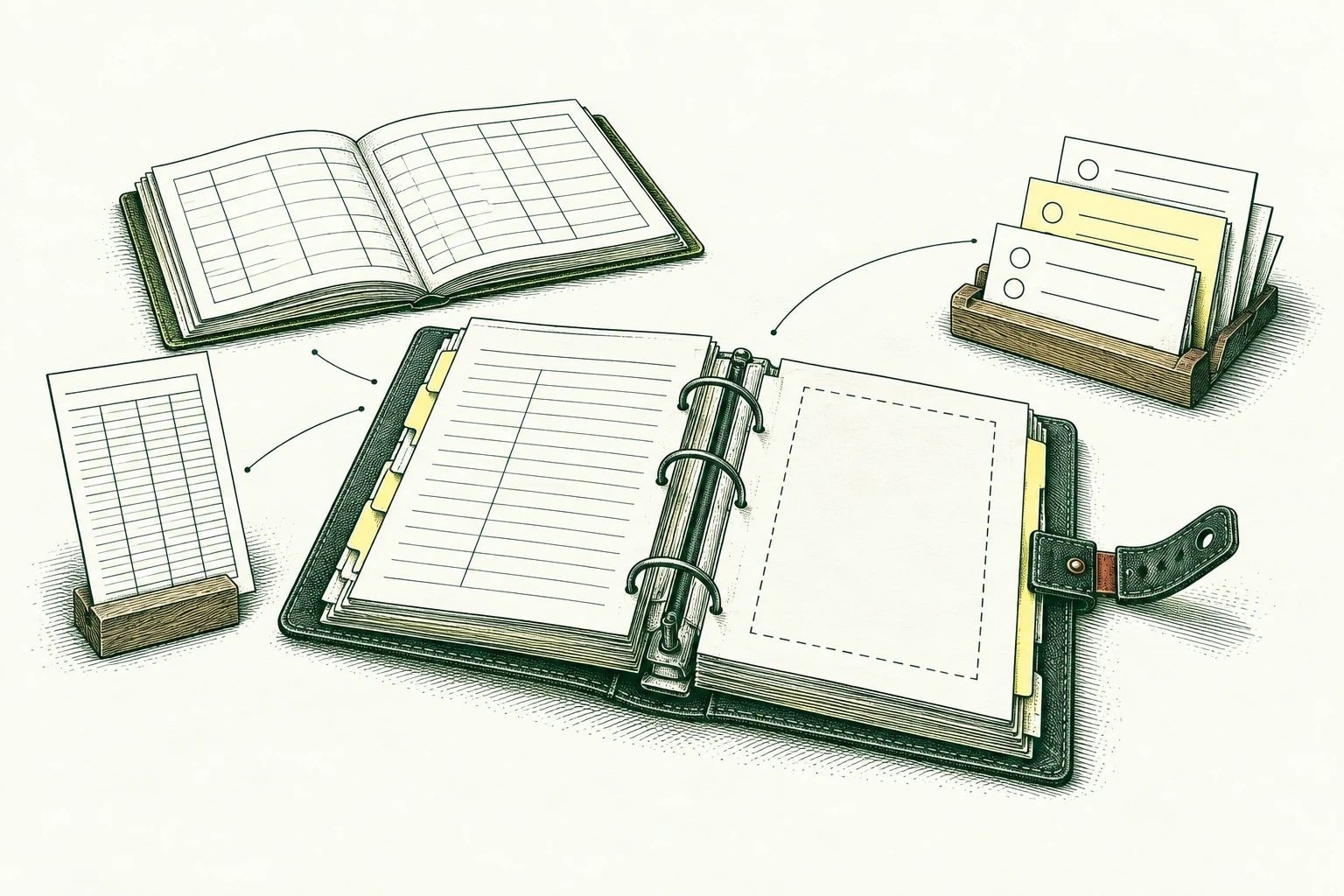
A close often stalls because the evidence is in one place and the outstanding questions are in another. Repeated exports and status messages make it difficult to know whether a difference is new, explained, or still waiting on someone.

Choose one reconciliation or reporting bottleneck rather than the entire close. Identify its source exports and review owner.
The agreed period closes and source exports are available.
Match scoped records and check dates, completeness, and control totals.
Prepare a reconciliation pack with differences, source links, and assigned questions.
The finance owner reviews adjustments and signs off the close under existing controls.
Which single reconciliation or report stalls the close most often, and where do its source exports live?
How does the team mark a difference as new, explained, or waiting on someone today?
Who signs off the period, and what evidence do they expect to see next to each open item?
A defined set of inputs with period, freshness, and completeness checks.
Differences grouped for investigation, with an owner and the evidence needed to resolve them.
Reproducible outputs and a status trail that distinguishes prepared, reviewed, and unresolved work.
Agree the trigger, source systems, reviewer, and acceptance criteria. Build the bounded preparation path, then test it with the person who will own it.
Test missing source files, late corrections, changed period dates, and a rerun after an adjustment.
This is not automated accounting judgment or an audit opinion. Journal entries, adjustments, and period sign-off stay within authorized finance procedures.
See how acceptance evidence works ↗The intended starting point is to connect or prepare work around existing systems, subject to available interfaces.
It can prepare a proposed explanation within scope. Accounting judgment and approval remain with the responsible person.