A field-quality specification
The conventions, required fields, and ownership rules that define a usable record.

Find inconsistent fields, likely duplicates, and missing ownership before they distort routing and reporting.
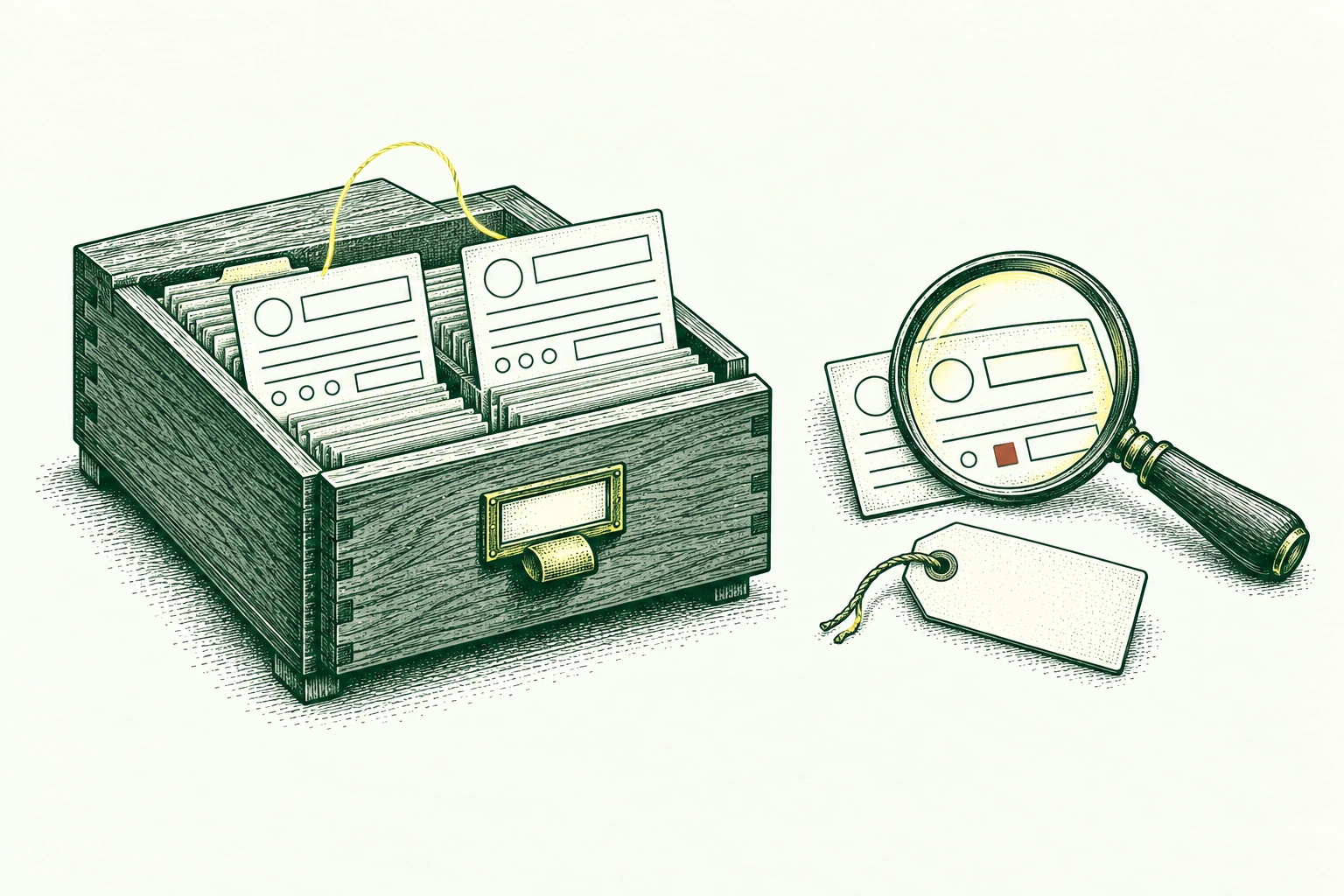
CRM cleanup can become a permanent side project. Different spellings, imports, and stale fields make it hard to trust a list. But a plausible duplicate is not permission to merge two customers or overwrite a useful history.
Pick the fields affecting one downstream job, such as lead routing or a pipeline report. Do not begin with “clean everything.”
A scheduled review inspects the agreed CRM fields.
Compare formatting rules, required values, and possible duplicate signals.
Prepare suggested corrections and a review list for ambiguous matches.
A record owner approves merges or consequential changes before application.
Which downstream job is hurt most by bad data: routing, reporting, or outreach?
Which fields decide a match, and which shared values (a company email, a branch address) are legitimate?
Who confirms a merge, and how is a rejected suggestion remembered so it is not proposed again?

The conventions, required fields, and ownership rules that define a usable record.
A reviewable change set with original values, suggested values, and reasons.
Preview, approval, change history, and recovery expectations for the operations in scope.
Agree the trigger, source systems, reviewer, and acceptance criteria. Build the bounded preparation path, then test it with the person who will own it.
Test two people with similar names, a legitimate shared email address, and an update that arrives during review.
No bulk deletion or irreversible merge is assumed. External enrichment, purchased data, and consent or retention decisions require separate consideration.
See how acceptance evidence works ↗Not by default. It should distinguish likely matches from approved merges and preserve a human decision for risky changes.
Recurring checks can be scoped, but ownership and upstream entry rules still matter. Automation cannot define your data policy for you.