A usable intake
Fields, guidance, and validation appropriate to one request type.

Collect the right information, route it to the right reviewer, and make waiting visible.
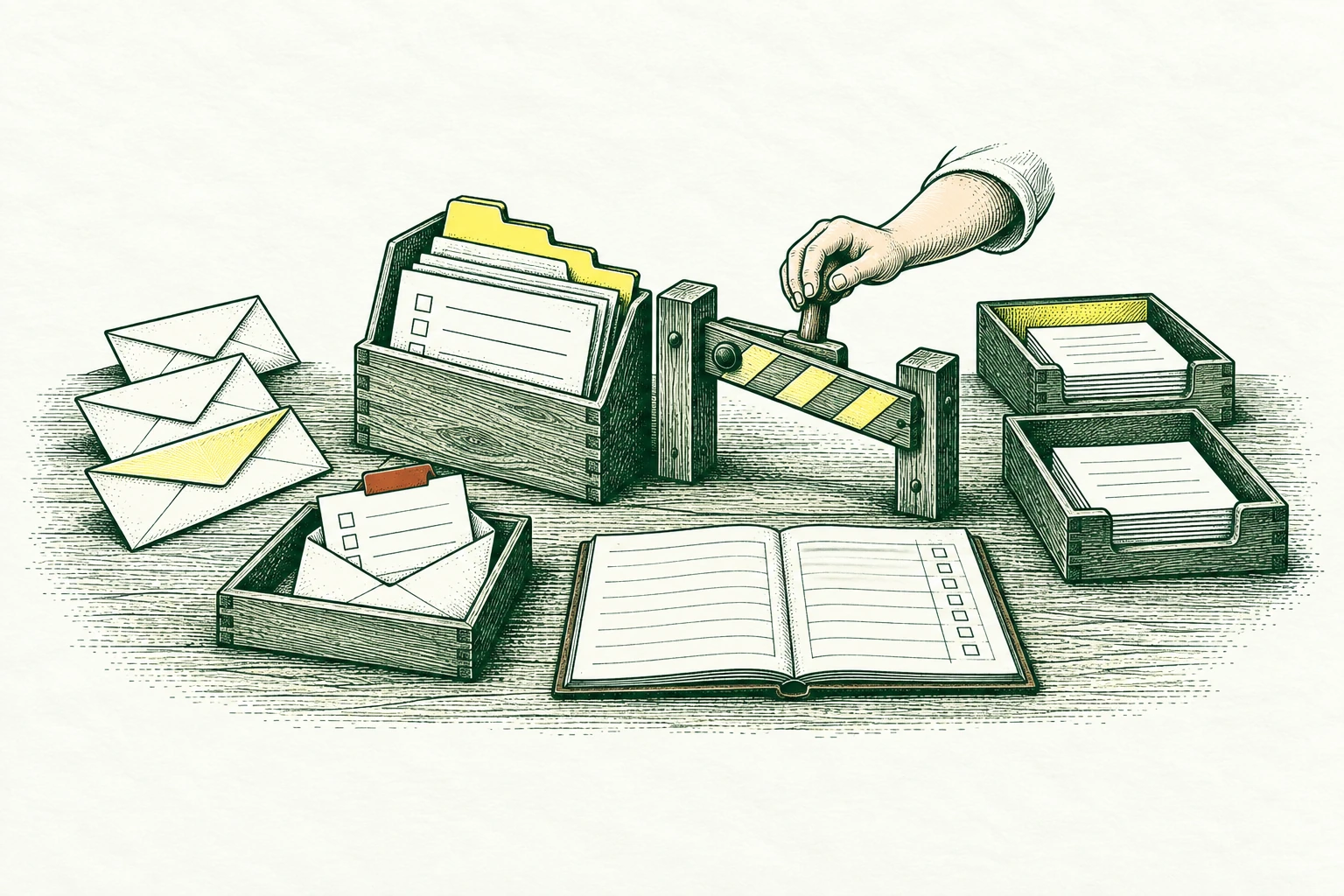
A request can arrive by chat, email, and spreadsheet without anyone knowing which version is current. Approval then becomes a chase for missing information rather than a decision. A well-scoped intake gives each request a clear identity and owner.
Choose one request type, its approval rules, and the information reviewers most often have to chase.
A request arrives with an agreed set of fields.
Check completeness and determine the approval path from documented rules.
Prepare the request record, evidence, and the next reviewer’s task.
The authorized person approves, rejects, or asks for clarification.
Which request type arrives by the most channels, and which information do reviewers chase most often?
What are the approval rules, thresholds, and separations of duty that must not change?
Who handles an incomplete request, a duplicate, or a change after approval?
Fields, guidance, and validation appropriate to one request type.
Thresholds, delegated authority, escalation, and handling for absent reviewers.
Status, reviewer decisions, requested changes, and a safe return to the requester.
Agree the trigger, source systems, reviewer, and acceptance criteria. Build the bounded preparation path, then test it with the person who will own it.
Test incomplete requests, the same request sent twice, an absent approver, and a change after approval.
Automation does not grant spending authority or bypass segregation of duties. Sensitive request categories and retention need explicit handling.
See how acceptance evidence works ↗Yes, if urgency has a defined rule and an authorized owner. It should not be inferred just from an emphatic message.
Rules can route or prepare routine work. Any approval authority must be explicitly agreed and tested; it is not assumed.