A prepared working record
A load-linked document pack with missing-evidence notes and an exception owner, ready for the billing reviewer.

Operations has delivery documents, but billing still needs to know whether they belong to this load and whether the required set is complete.
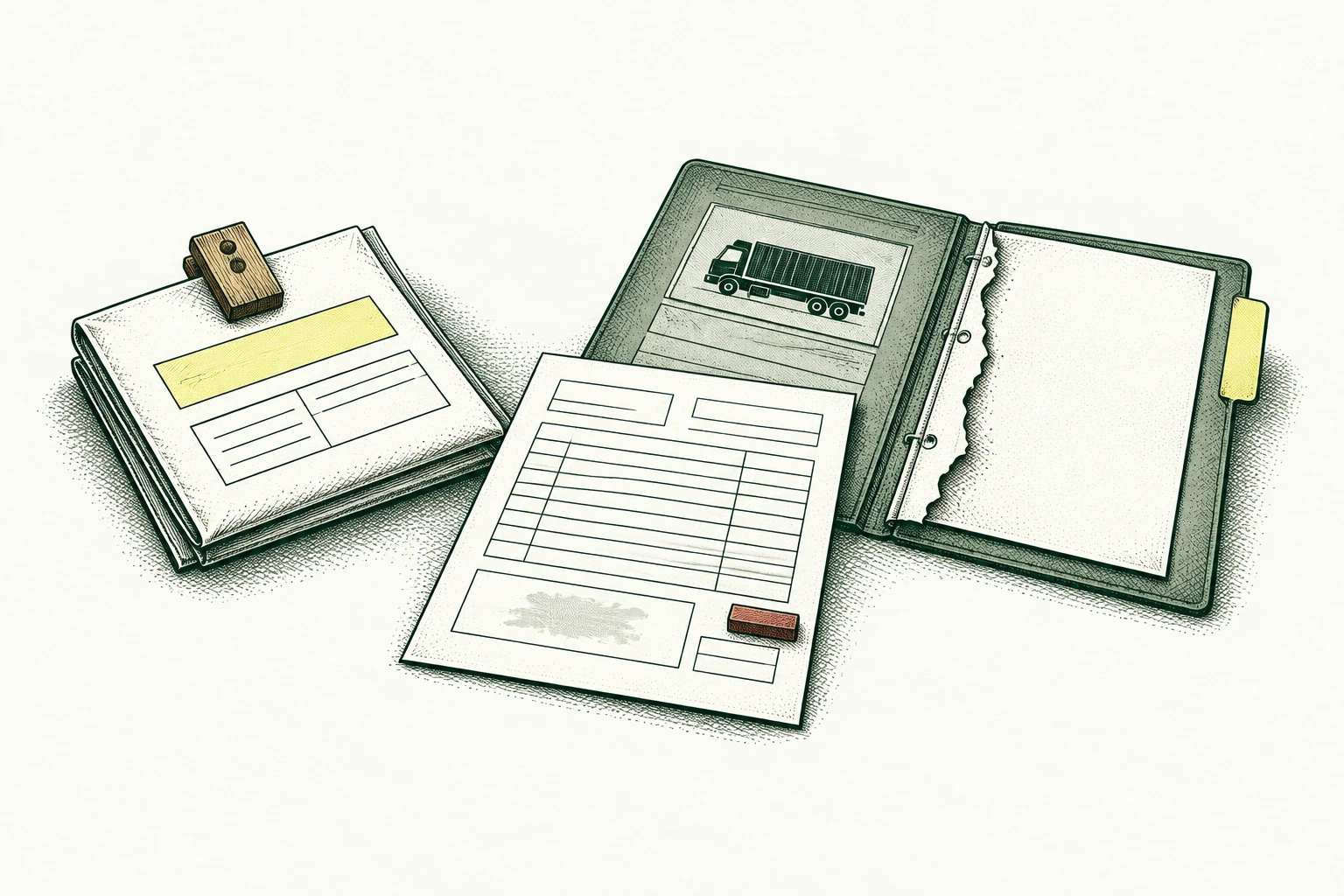
One possible workflow, with the preparation and review responsibilities made clear.
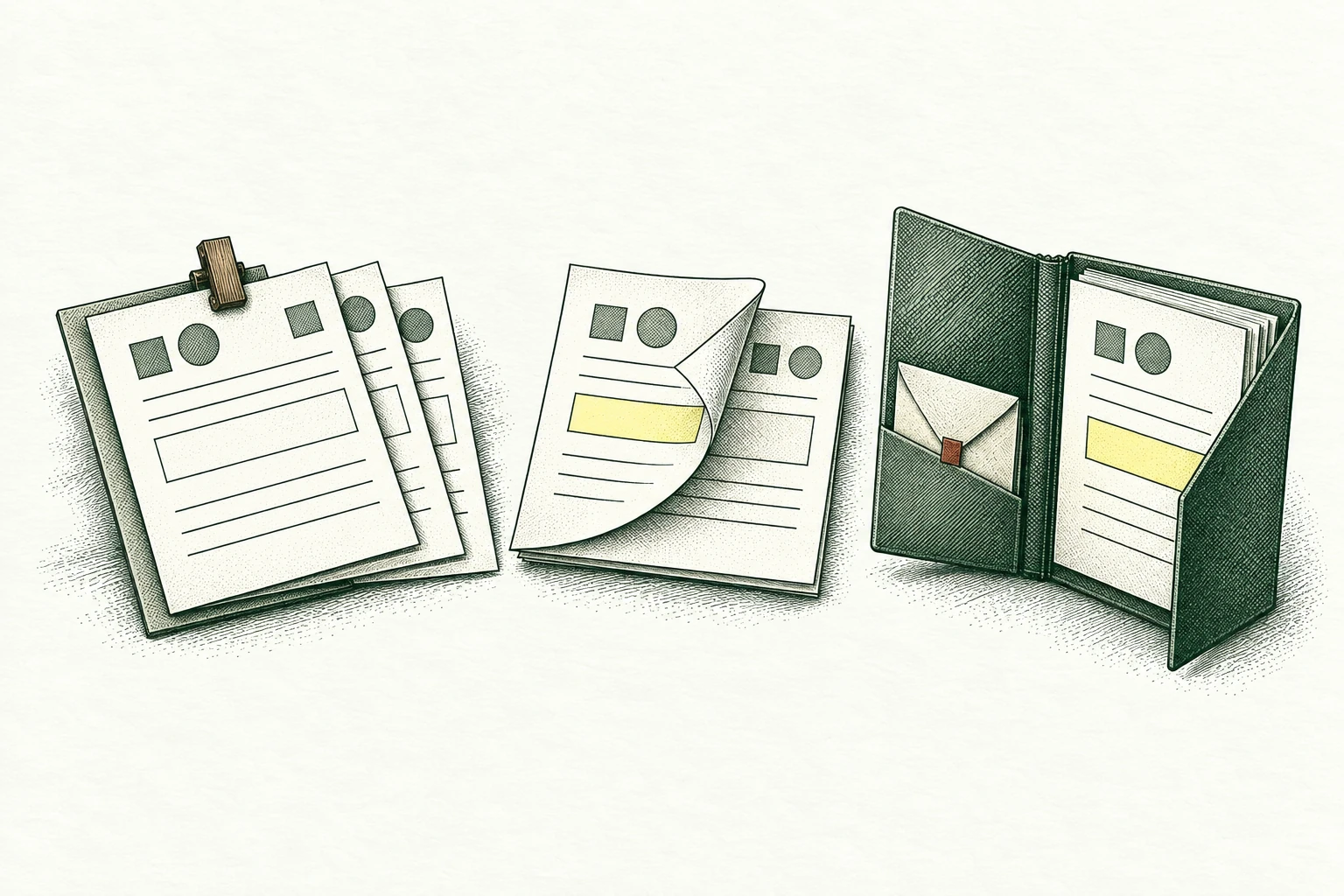
Proof of delivery, bill of lading, the agreed load record, and a customer-specific billing checklist.
Match load references and document dates, surface an unreadable signature area or missing page, and distinguish a revised attachment from a new load.
A load-linked document pack with missing-evidence notes and an exception owner, ready for the billing reviewer.
The operations owner resolves load mismatches; billing confirms the pack and any supporting requirements before invoicing.
A load-linked document pack with missing-evidence notes and an exception owner, ready for the billing reviewer.
The operations owner resolves load mismatches; billing confirms the pack and any supporting requirements before invoicing.
A document match does not establish claim liability or delivery quality. No invoice posting or dispatch instruction changes automatically.
For two plausible load matches, the pack retains both candidates and their source identifiers for operations to resolve.
Try two loads with similar references and identical attachment names. The record should retain both candidates and their source identifiers, asking operations to resolve the match rather than attaching one at random.
A document match does not establish claim liability or delivery quality. No invoice posting or dispatch instruction changes automatically.
How we validate the work ↗Start with a general outline of this workflow and the team that owns it.
Plan this workflow ↗Which load identifiers connect delivery documents to the agreed load record?
How do required documents differ by customer, and who maintains those checklists?
Who resolves uncertain matches and confirms the final pack before invoicing?
A document pack linked to the load, with missing evidence and exception owners.
Billing reviewer, with operations resolving load matches.
A document match does not establish claim liability or delivery quality. No invoice posting or dispatch instruction changes automatically.
Try two loads with similar references and identical attachment names. The record should retain both candidates and their source identifiers, asking operations to resolve the match rather than attaching one at random.
For two plausible load matches, the pack retains both candidates and their source identifiers for operations to resolve. Agree this acceptance check before work starts.